Building a Markdown API for LLM Collaboration
Giving an LLM access to a large project with knowledge, tools, status, files, and database state without stuffing your context full or losing the ability to discover everything is actually very challenging. You can’t stuff everything into CLAUDE.md without making a mess. You have to be very careful with MCP servers or you’ll proliferate the context window. And putting everything in the filesystem is great until you start mixing dynamic data with static data, because then you have to project everything to the filesystem and your state management becomes messy.
I’ve tried a number of different approaches to this.
Can you use directories and markdown files to give LLMs project context?
First, I tried just directories and markdown. I used a CLAUDE.md at the root of the project and then AGENTS.md files at the root of each directory and gave the agent traditional progressive disclosure. The problem I ran into is that I had a lot of dynamic state for my application. I was having to synchronize things from the database into the filesystem and that made things messy and slow.
What about using shell scripts that wrap HTTP calls as LLM tools?
The next thing I tried was to make an HTTP server and then just have bash scripts that wrap curl commands and call the tools. That actually worked fairly well because I could progressively disclose tools and it was a lot easier to use only the ones that a particular agent needed.
How does a web server that returns markdown solve the LLM context problem?
What I landed on is a web server that aggregates everything. It surfaces database state. It surfaces files. It fronts tools as HTTP endpoints, which I try to keep as GET endpoints wherever possible so that simple WebFetch and curl can be used to navigate the entire server.
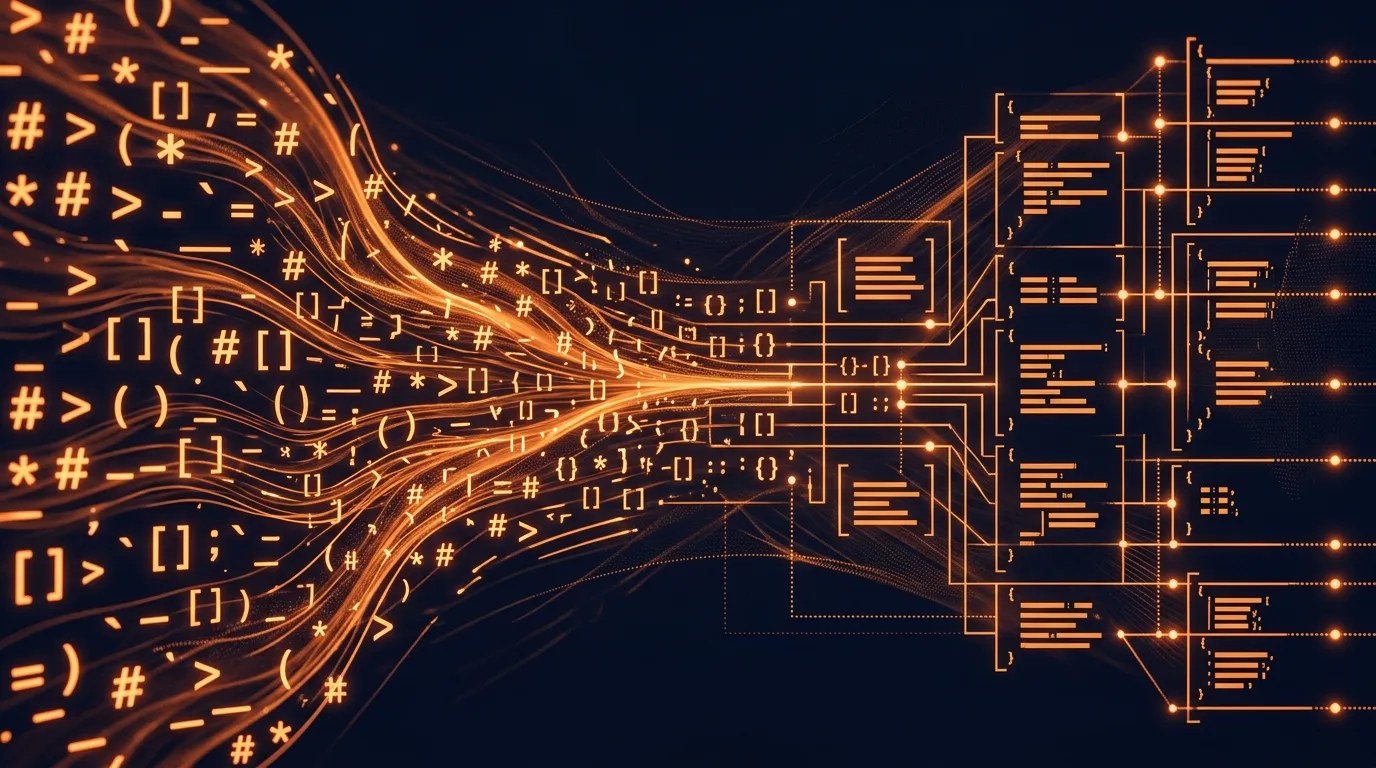
I also decided to surface everything as markdown. All of the API endpoints return markdown. The beauty of this is I can have a single module that formats what the agent needs to see into markdown, and then I can just convert that to HTML and render it to the user as well. The user and the agent literally have access to the same system so that they can both observe the state and work on it together.
Why does a markdown API work better than stuffing everything into CLAUDE.md?
This works really well because you’re not front-loading CLAUDE.md. You’re not jamming up your context window. You have access to real-time and static data through the same interface. And it has progressive disclosure built in – the agent can just WebFetch its way through the application.
In terms of tooling, there’s no context proliferation. It’s actually quite simple to build regular HTTP endpoints. And the agent can discover all the tools by just navigating around.
This keeps things in sync automatically. It harmonizes both static information from files and dynamic information from the database. It speeds everything up and makes the experience exactly the same for the human and the agent.
CLAUDE.md still matters – it should be explaining the context of the system and helping the LLM get started. It just doesn’t need to contain the system anymore. It points to it.
What is the best pattern for building LLM-collaborative applications?
I’ve gone through several iterations of how to structure applications for use by large language models at this point. Started with files and progressive disclosure, moved to shell scripts wrapping HTTP calls, and landed on a full web server returning navigable markdown. Each step solved the previous step’s biggest limitation – static files couldn’t handle dynamic state, scripts couldn’t aggregate, and now the web server does both.
Early tests show this being very effective. The agent navigates the project the same way a human browses a dashboard, and both see the same data in real time. If you’re building systems where humans and LLMs need to collaborate on the same codebase, this is the pattern I’d start with.
Frequently Asked Questions
What is a markdown API for LLMs? A markdown API is a web server where every endpoint returns markdown instead of JSON. The LLM can navigate it using WebFetch or curl, discovering tools and reading project state through the same interface a human would use. The same markdown can be rendered as HTML for human consumption with minimal conversion.
Why not just use MCP servers instead of a markdown API? MCP servers add tools to the context window, and each tool consumes tokens whether or not the agent uses it. A markdown API keeps the context lean because the agent only fetches what it needs on demand. You get progressive disclosure without context proliferation.
Does the human see the same data as the LLM? Yes. Because every endpoint returns markdown, you can render the same content as HTML for a browser dashboard. The human and the agent are looking at identical real-time data, which eliminates synchronization issues and makes collaboration straightforward.
What role does CLAUDE.md play if the web server handles everything? CLAUDE.md still matters as the entry point. It should explain the system context, point the agent to the web server, and describe how to get started. It just does not need to contain all the project state and tooling information itself. It becomes a launcher, not a monolith.